PPI

An identity that signals future readiness.

PPI (People Performance Institute) is an emerging platform that harnesses AI to provide CHROs (Chief Human Resources Officers) with performance insights.

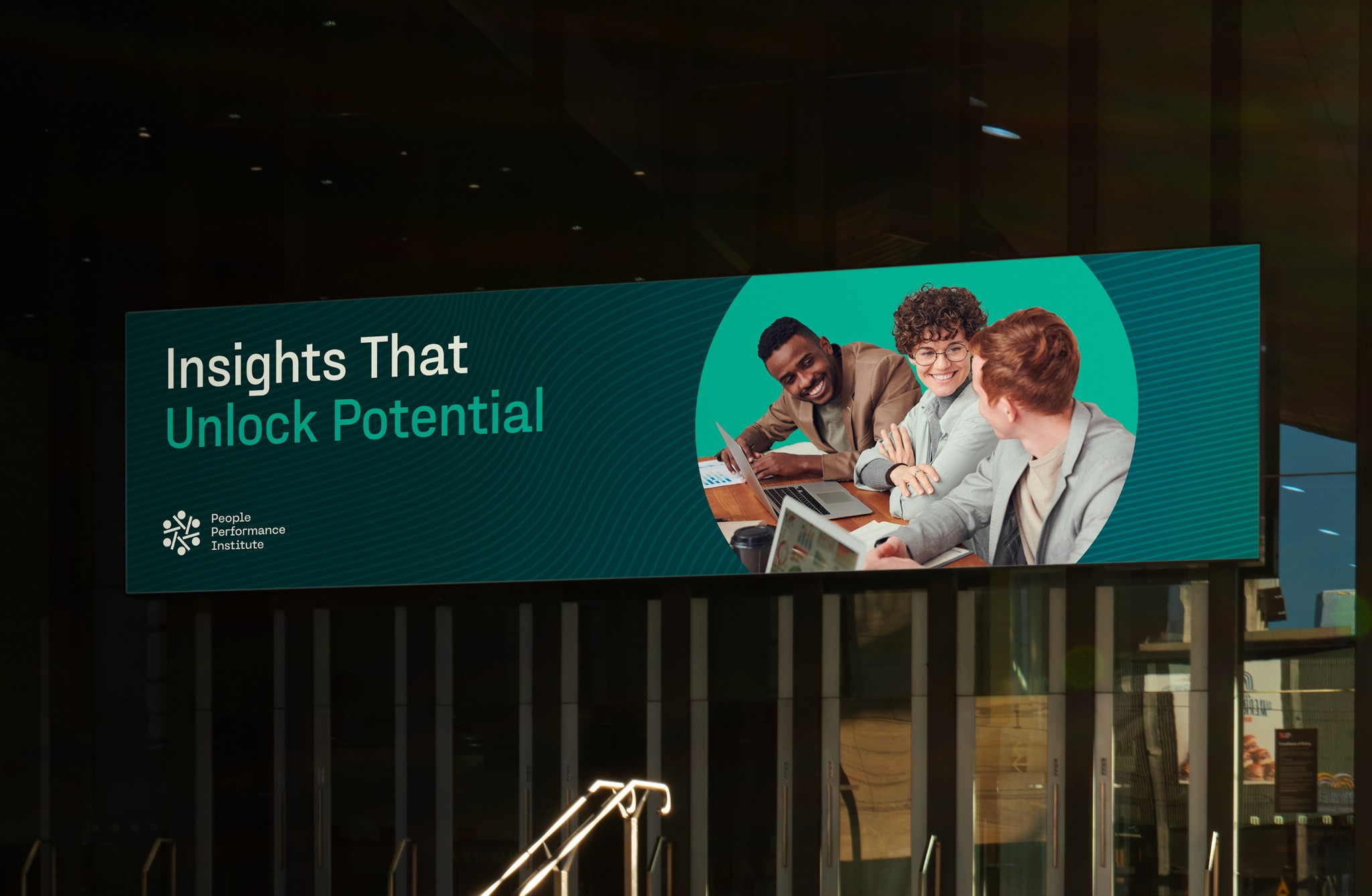
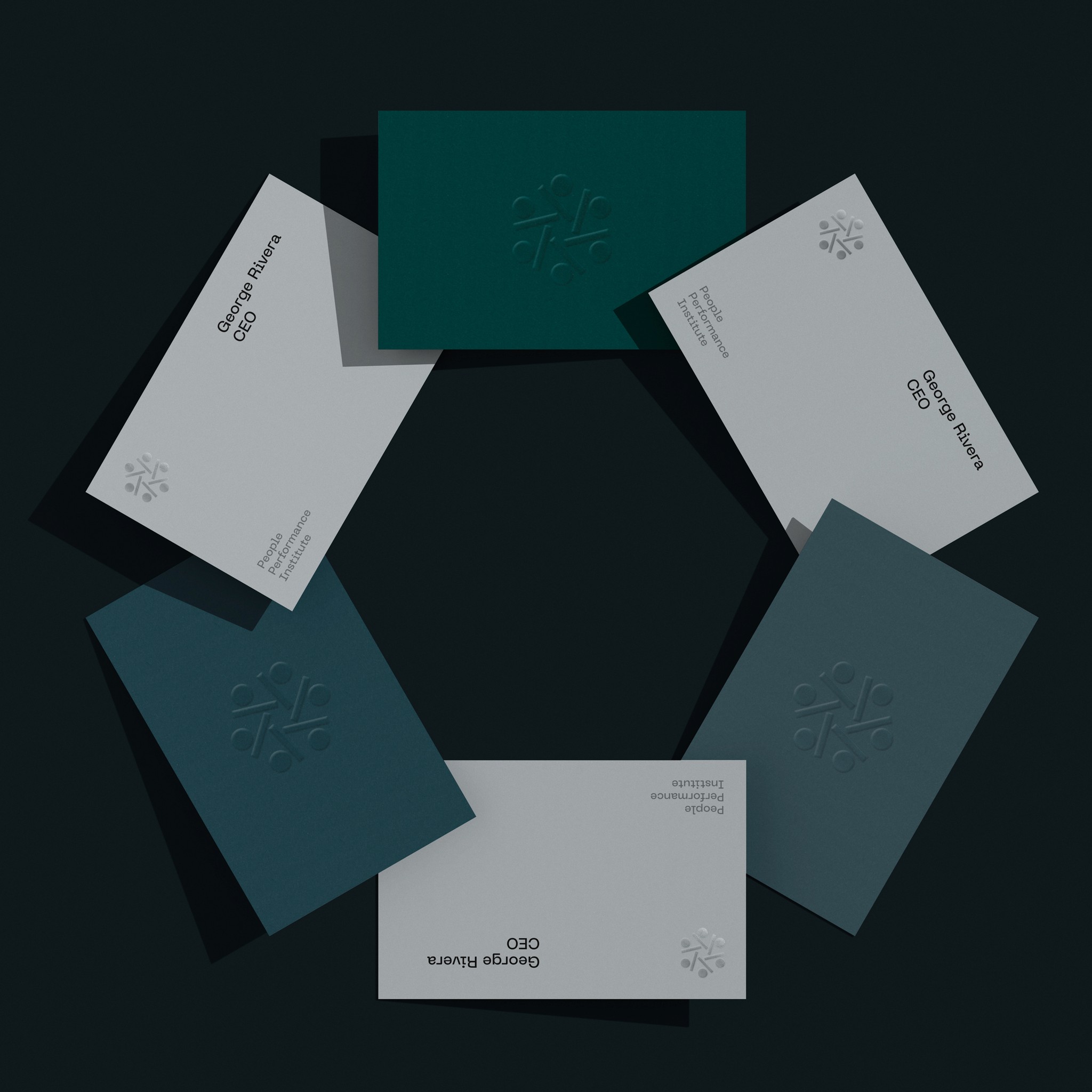
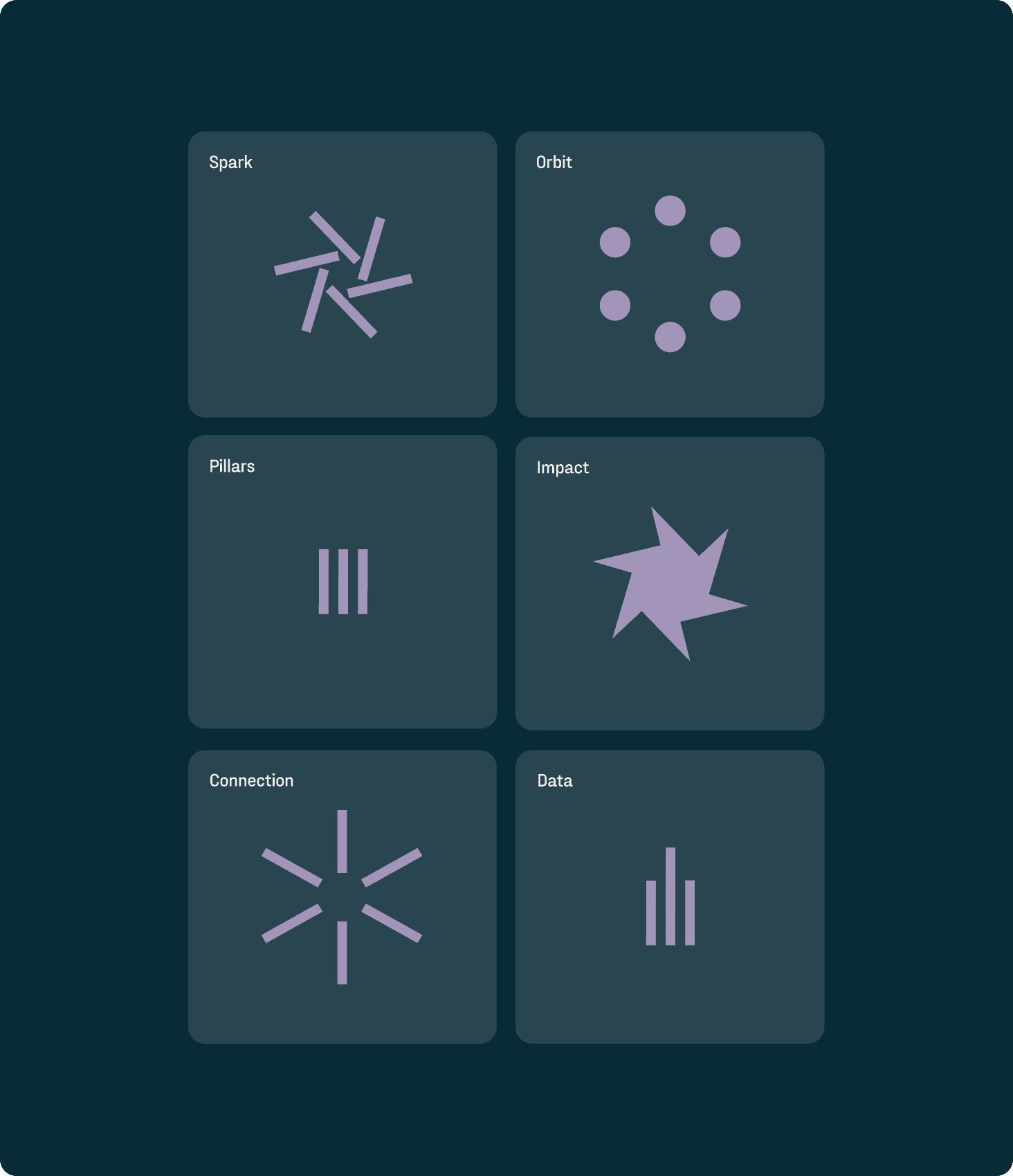
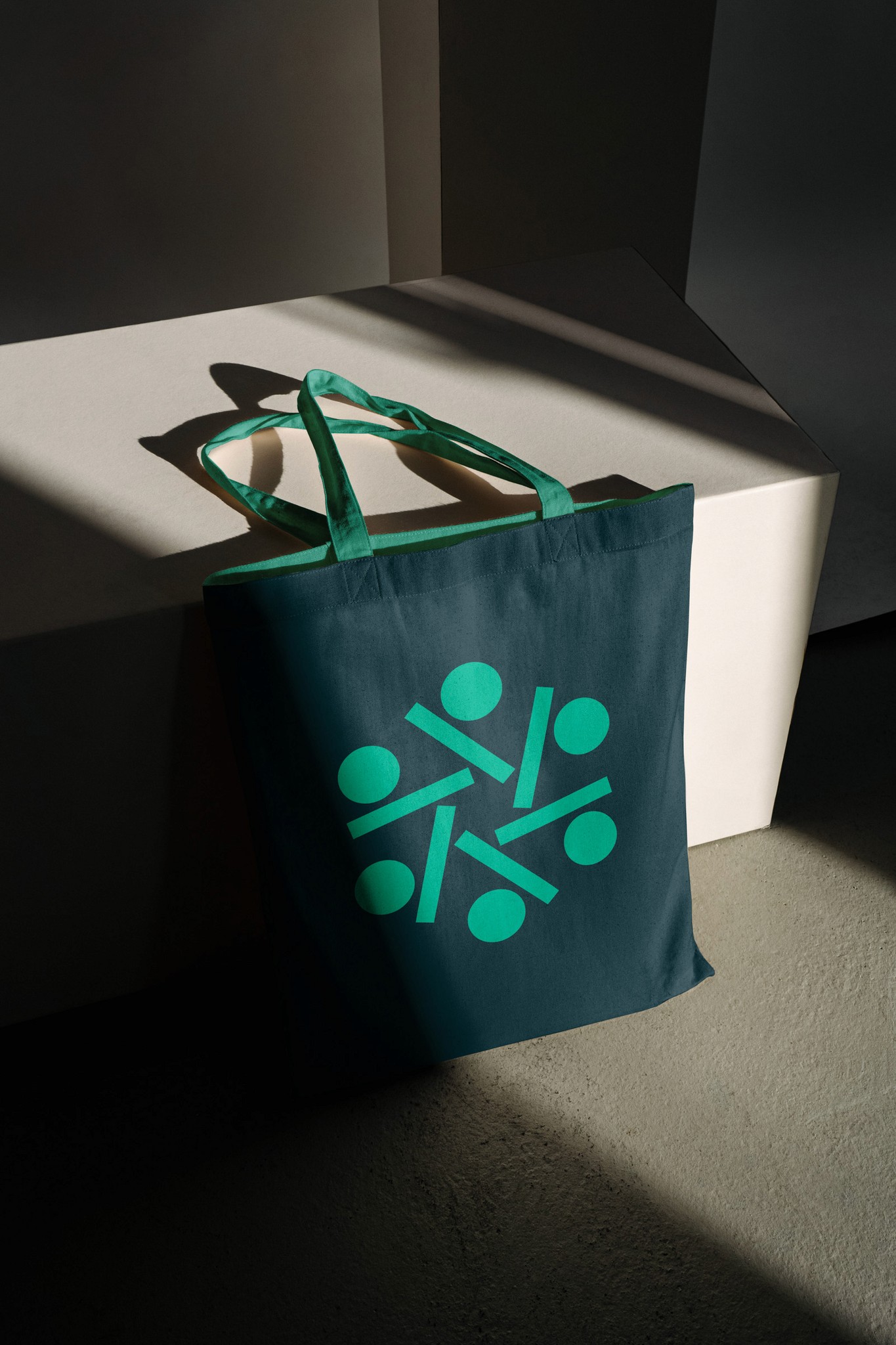
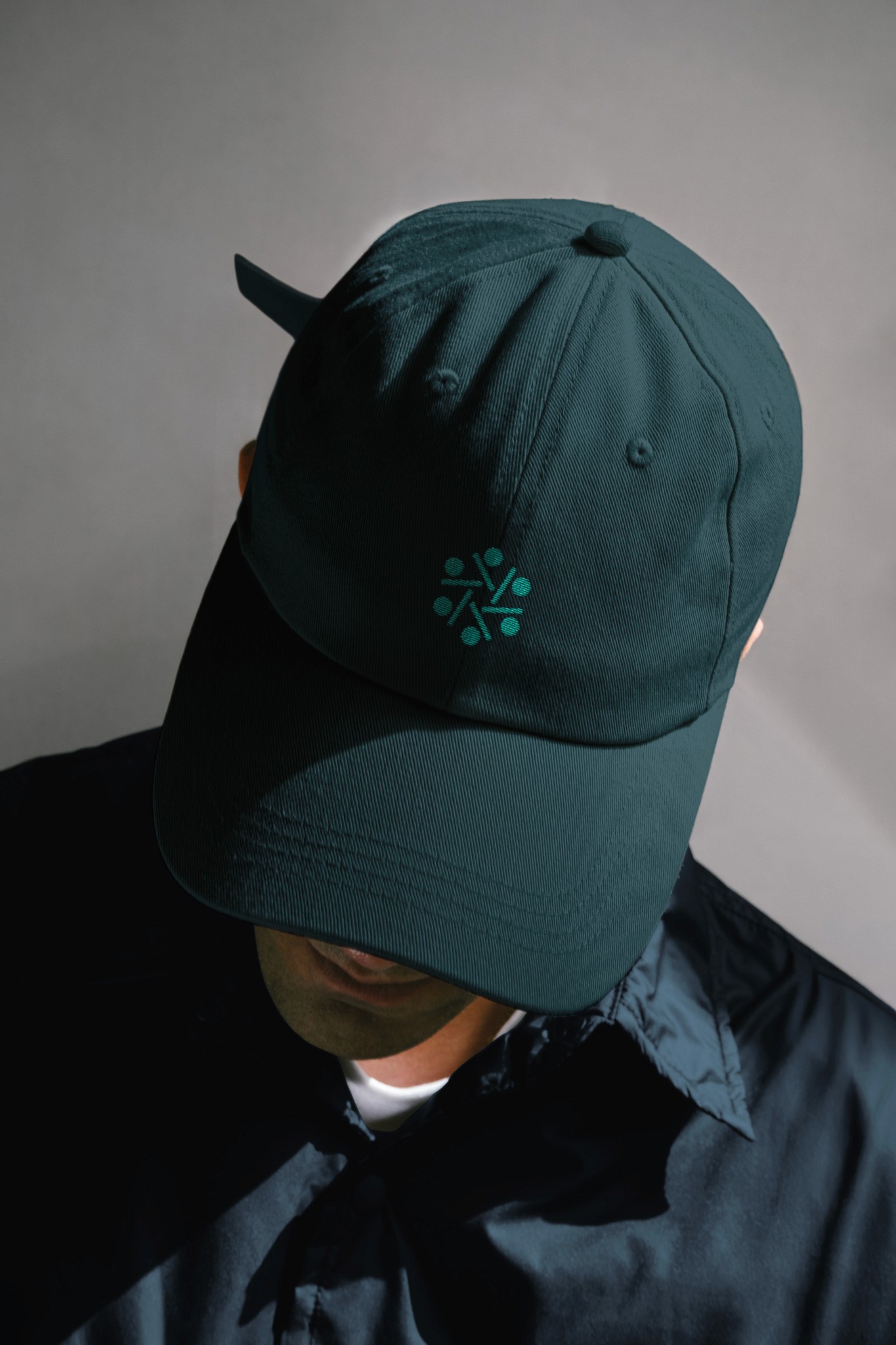
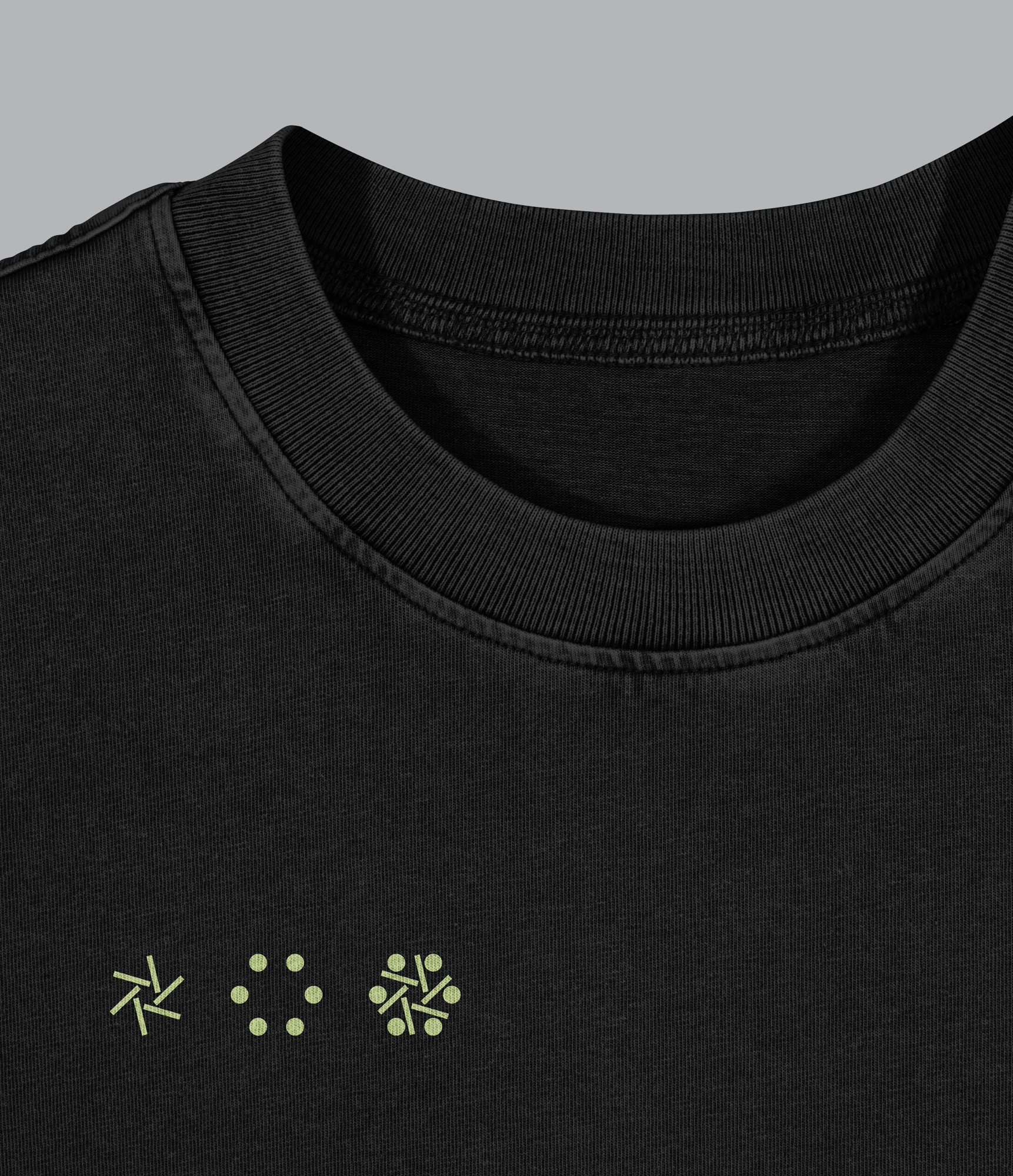
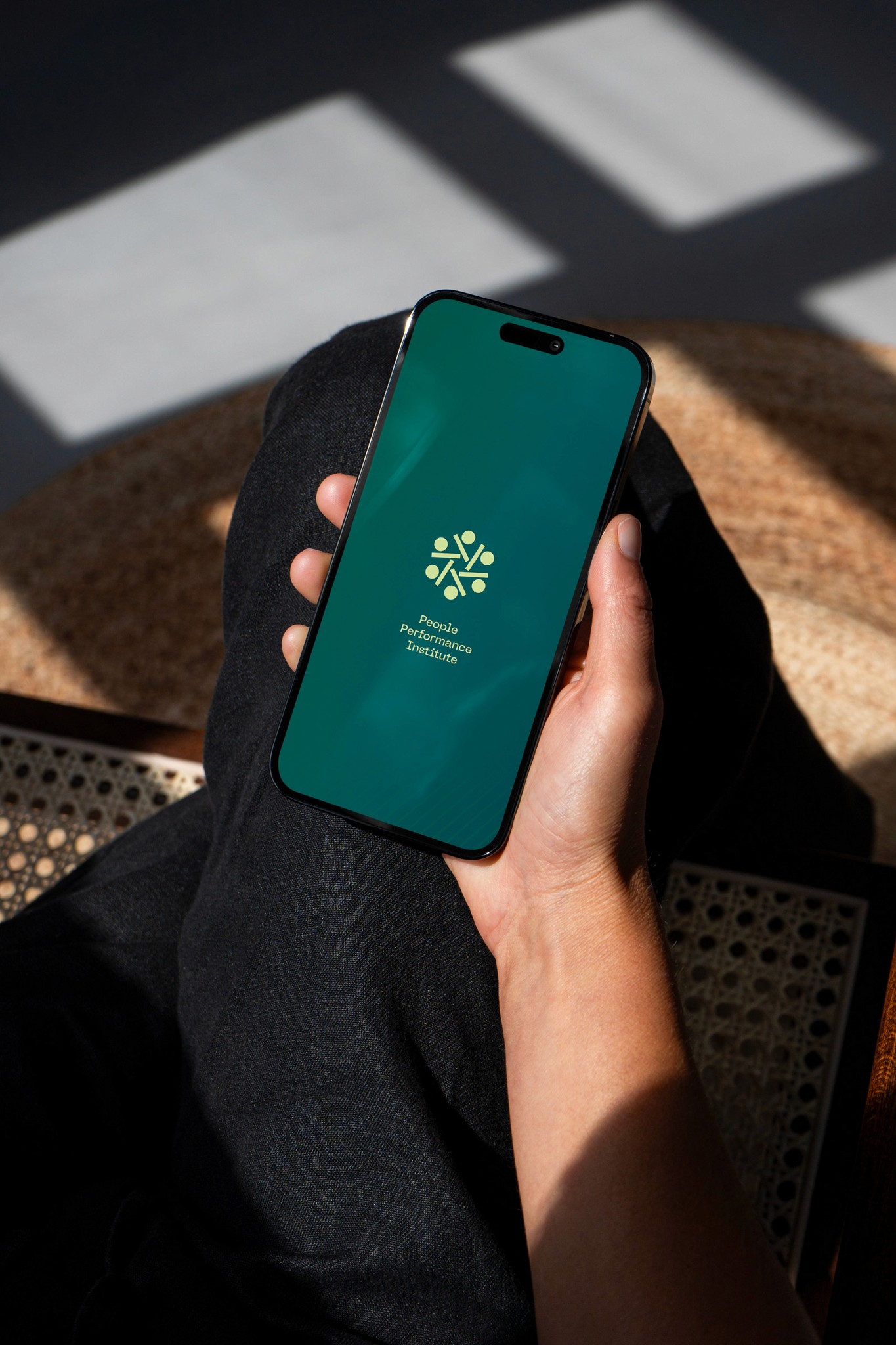
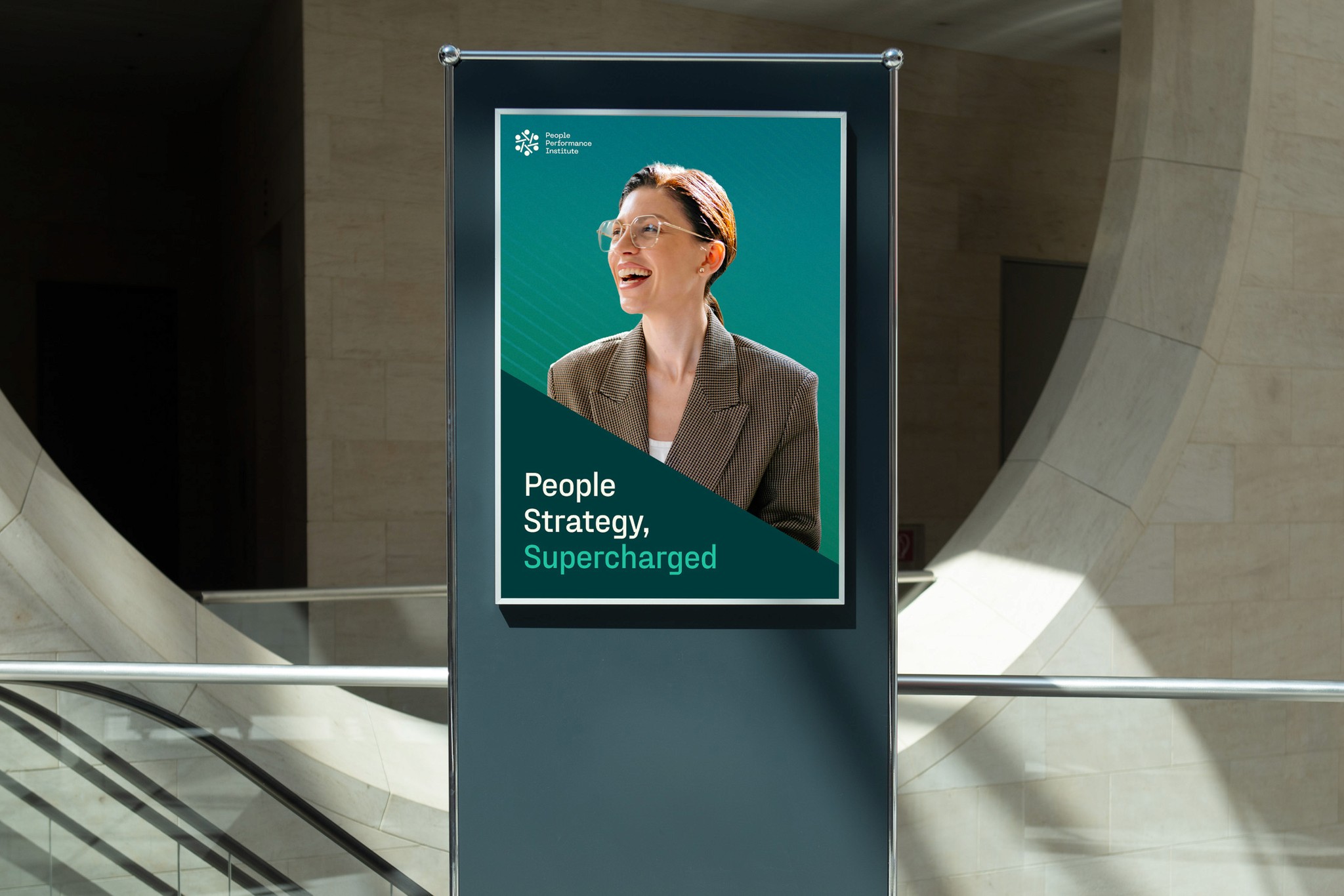
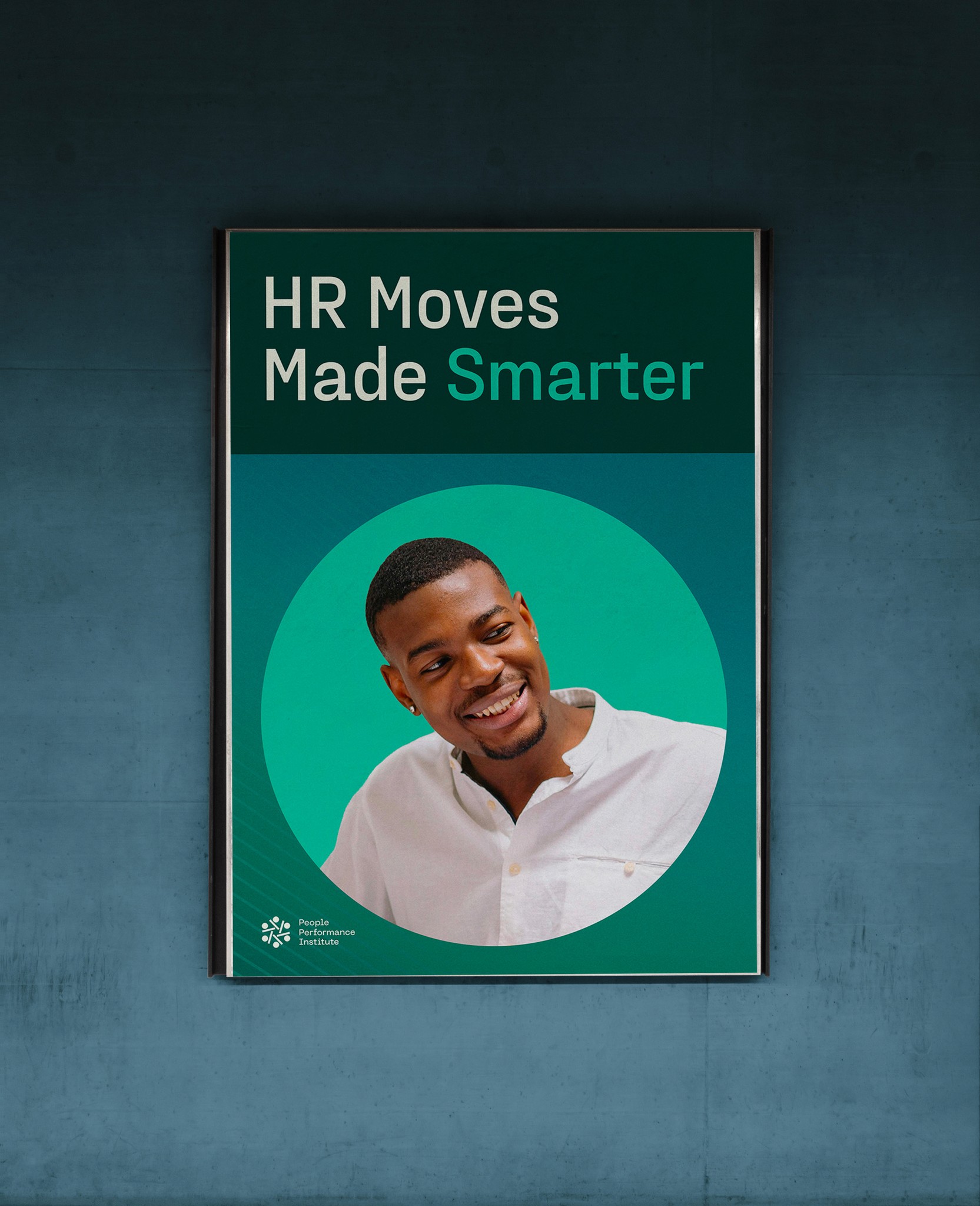
During my summer internship at Plan of Record, a Toronto-based design studio, I was tasked with creating a logo for PPI that reflected the platform’s values and complemented the website and platform interface the studio was concurrently developing. My role later expanded to include designing brand applications and a set of icons to help bring the identity to life.
My Role
Visual Identity

My Role
Visual Identity

My Role

Visual Identity
Product Design
Research

Industry
Technology

Industry
Technology

Industry

Technology
Wellness

Team
Under the guidance of Brian Banton and Jacqui Lau, Plan of Record co-founders.

Team
Under the guidance of Brian Banton and Jacqui Lau, Plan of Record co-founders.

Team

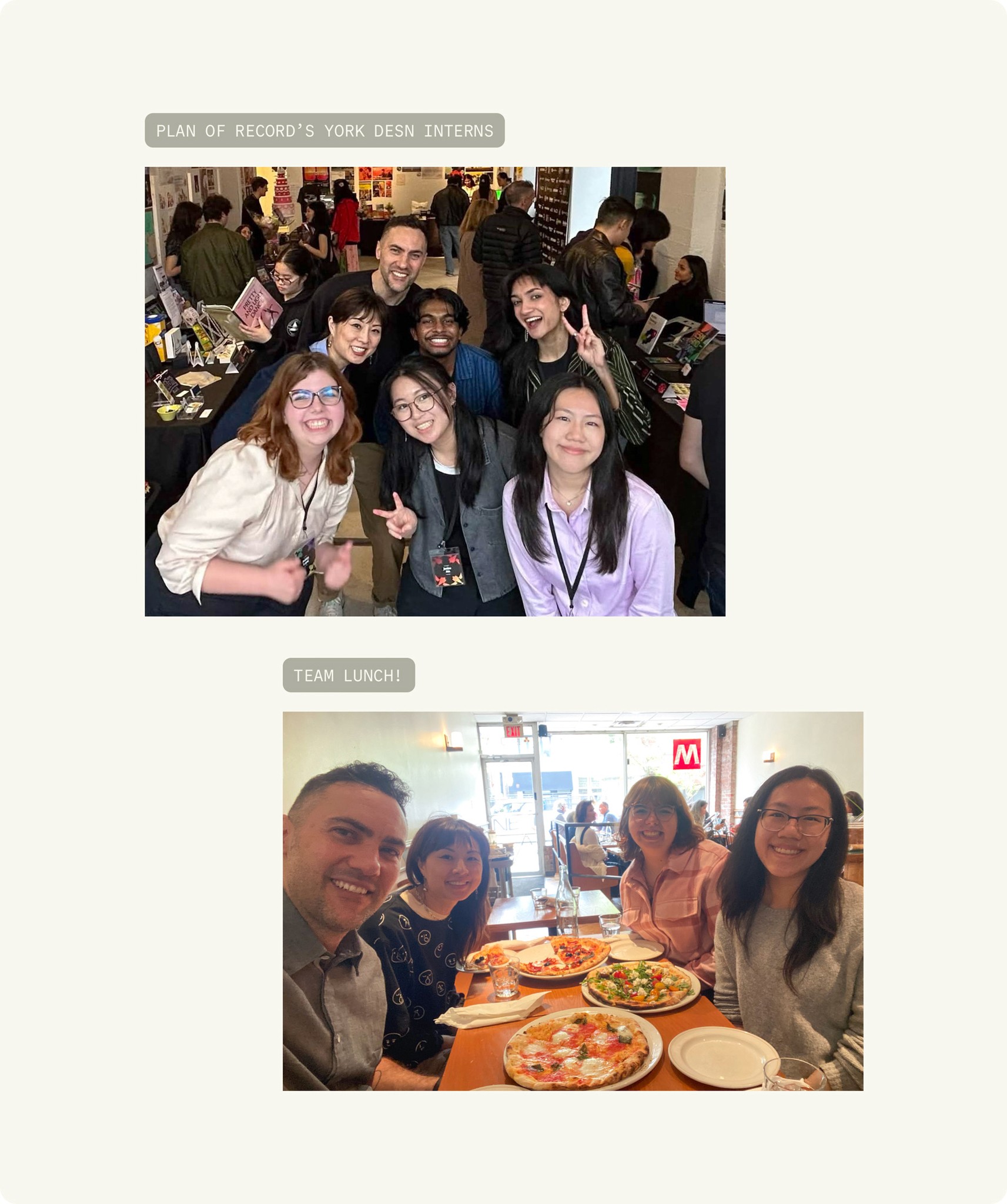
Jamie Arcega
Melody Chen
Joanne Luong

Brandmark

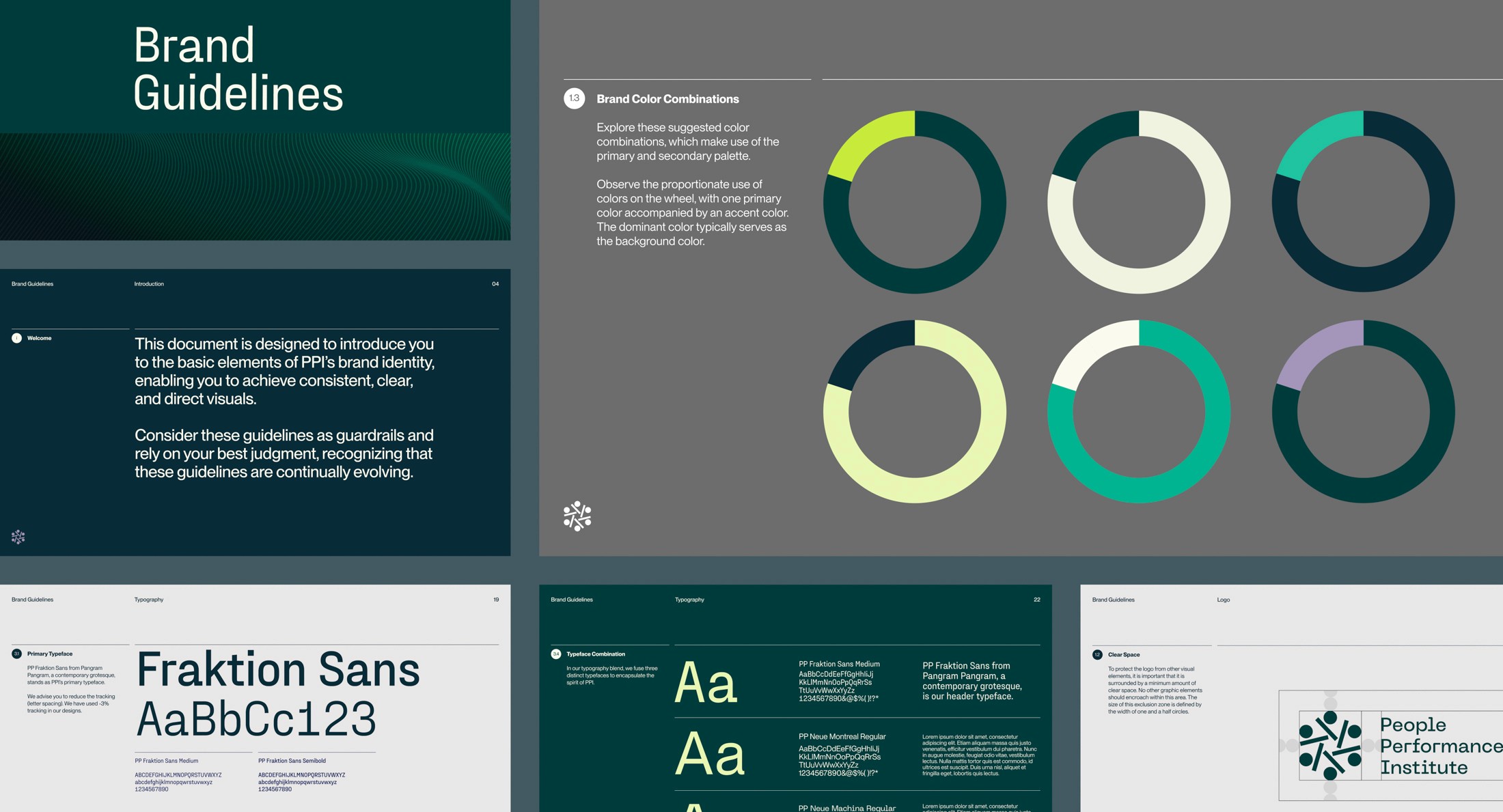
Drawing inspiration from charts, PPI’s logo is composed of circles and rectangles arranged in a repeating radial formation. These geometric shapes form subtle ‘P’s and ‘I’s while also suggesting abstract human figures. The symbol represents the collective motion that occurs within the workplace as employees collaborate and progress.

I was behind the initial logo conceptualization and design. Subsequent design refinements were guided by feedback from the Plan of Record co-founders.
Takeaways

Contributing to PPI’s visual identity was such a rewarding experience. I’m grateful that I was entrusted with the opportunity to play a hands-on role in this project! Here are some of my key takeaways.

Embrace the process
PPI’s logo and brand applications went through several rounds of exploration and iteration. This reinforced the importance of being willing to scrap what doesn’t work, trying new directions until something clicks, and remaining receptive to feedback in order to create better designs.

Every project truly is different
For this project, we actually shared four different logos with the founder to see which one resonated most! As this project was part of my first internship experience at a design studio, it was interesting to observe how a client-facing deck is constructed and to learn that a tailored approach is needed for each project, not only in the design itself, but also in how progress is presented.

Contributing to PPI’s visual identity was such a rewarding experience. I’m grateful that I was entrusted with the opportunity to play a hands-on role in this project! Here are some of my key takeaways.

Embrace the process
PPI’s logo and brand applications went through several rounds of exploration and iteration. This reinforced the importance of being willing to scrap what doesn’t work, trying new directions until something clicks, and remaining receptive to feedback in order to create better designs.

Every project truly is different
For this project, we actually shared four different logos with the founder to see which one resonated most! As this project was part of my first internship experience at a design studio, it was interesting to observe how a client-facing deck is constructed and to learn that a tailored approach is needed for each project, not only in the design itself, but also in how progress is presented.

Contributing to PPI’s visual identity was such a rewarding experience. I’m grateful that I was entrusted with the opportunity to play a hands-on role in this project! Here are some of my key takeaways.

Embrace the process
PPI’s logo and brand applications went through several rounds of exploration and iteration. This reinforced the importance of being willing to scrap what doesn’t work, trying new directions until something clicks, and remaining receptive to feedback in order to create better designs.

Every project truly is different
For this project, we actually shared four different logos with the founder to see which one resonated most! As this project was part of my first internship experience at a design studio, it was interesting to observe how a client-facing deck is constructed and to learn that a tailored approach is needed for each project, not only in the design itself, but also in how progress is presented.

Next Project

Next Project

Melanie Chang © 2026

Melanie Chang © 2026